Ever had your lights flicker and wondered, “Is that a problem or just my imagination?” In a small house, it might be an annoyance. In a big industrial factory in Frankston, one tiny spark can trigger a very expensive meltdown.
That’s why industrial electrical services are like the immune system of your machinery – they find the sniffles (loose wires, overheated panels) before they turn into full-blown fires or outages. When you invest in these services, you’re basically hiring a team of electrical bodyguards who keep an eye on every wire and breaker, fixing small faults before they become big, costly problems.
Down Under, those big factories know it well: “A single electrical fault can halt an entire production line, resulting in missed deadlines, idle labour, and lost revenue.” Usually, these emergencies don’t appear overnight – they creep in as tiny issues like a loose connection or worn insulation.
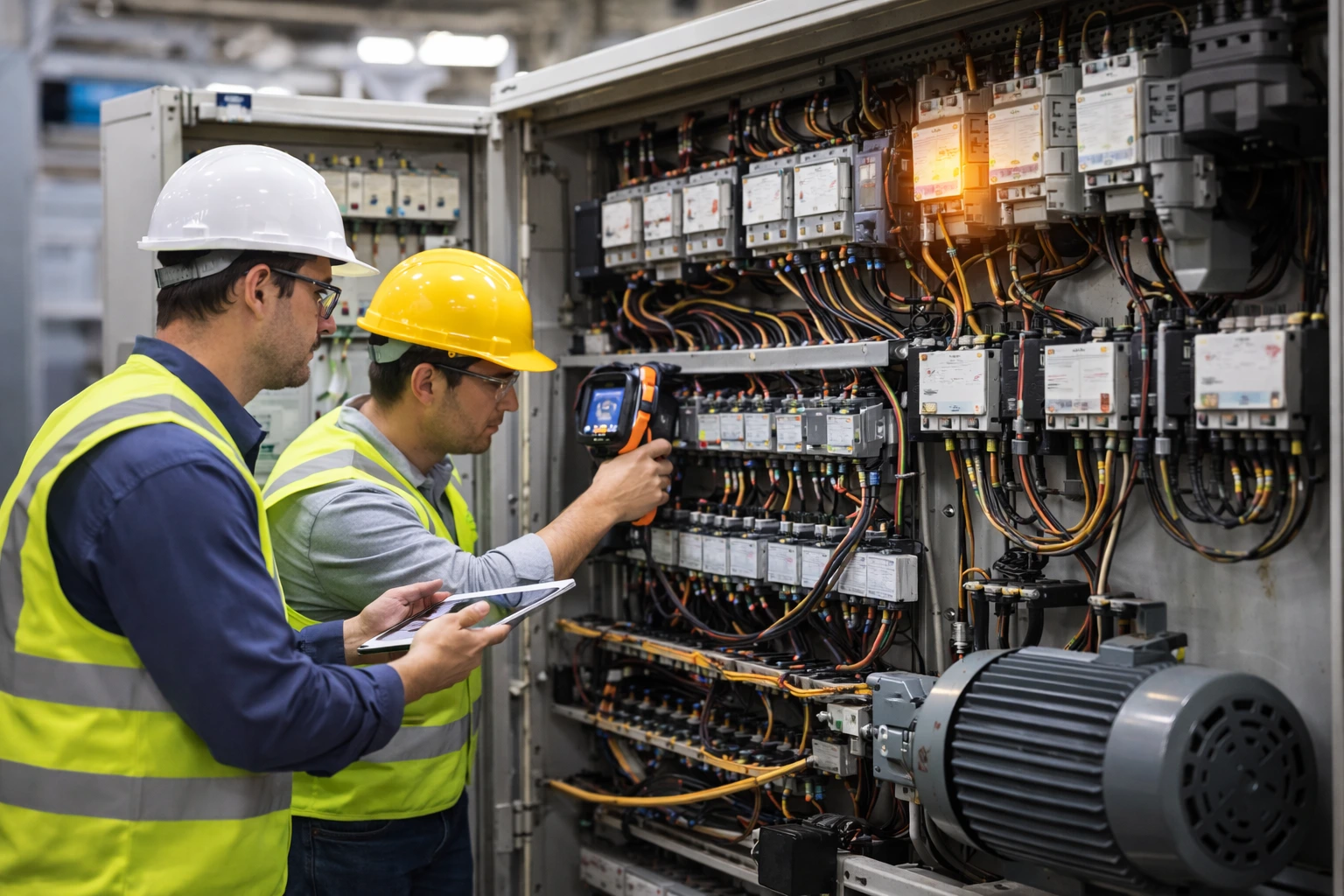
That’s why the smartest companies schedule regular industrial electrical inspections. A routine check by an industrial fit-out electrician, armed with thermal cameras and testing gear, can spot a nearly-tripped breaker or frayed cable.
Catching these early means you replace or repair them before they cause chaos. In fact, Queensland regulations make it official: a business must ensure equipment is “electrically safe,” often by having a licensed electrical contractor inspect it regularly. In other words, the rulebook is on your side – get those check-ups done!
Why Preventive Electrical Care Pays Off
In the long run, prevention is cheaper than the cure. As industry pros note, addressing small issues early is far more cost-effective than dealing with major repairs or replacements. Fixing a wiggly wire or corroded connection now can save thousands later on transformers or control panels. Reactive fixes are the expensive road: emergency call-outs and downtime from blown machinery often cost far more than planned maintenance. Plus, a smooth-running plant keeps customers and suppliers satisfied while reducing operational stress.
Beyond financial benefits, there’s a strong safety advantage. Preventative care helps identify hazards that could harm people or property and supports compliance with electrical safety laws outlined by regulators such as Safe Work Australia. Keeping machinery clean and properly tuned can also shrink energy bills, as inefficient wiring or loose connections waste power. In simple terms, a well-maintained motor behaves like a well-oiled engine — using less electricity to achieve the same output. Overall, investing in routine industrial electrical care improves reliability, compliance, and efficiency, protecting both your workforce and your bottom line.
Industrial electrical services nip all sorts of troubles in the bud. Common issues prevented include:
- Unexpected Downtime: Faulty wiring or aging components often cause machines to fail without warning. Regular inspections spot worn switches, loose connections or hot spots before they cause a shutdown, keeping production on track.
- Safety Hazards: Exposed wires, overloaded circuits or dirty panels can lead to shocks or fires. Industrial electricians identify and fix these issues early, preventing arc flashes and blazes.
- Equipment Wear and Tear: Motors and machines degrade with heavy use. Scheduled maintenance (cleaning, lubrication, testing) helps your equipment last longer, protecting your investment.
- Energy Waste: Loose contacts and outdated components spike energy use. Tuning up systems improves efficiency and cuts utility bills.
- Regulatory Non-Compliance: Industrial sites must follow strict codes (e.g. AS/NZS 3019:2007). Early upgrades and fixes keep your system within legal standards, avoiding fines or forced shutdowns.
Below is a quick overview of how routine maintenance tackles these problems early:
| Problem | How Early Maintenance Prevents It |
| Machine breakdowns/downtime | Routine inspections catch worn parts and loose wiring before they cause a failure. |
| Electrical fires/shocks | Faulty wiring and overloaded circuits are identified and fixed to prevent arcs and fires. |
| Shortened equipment life | Cleaning, testing and replacing components (like dusty switchboards or corroded contacts) reduces stress on machines. |
| High energy bills | Tightened connections and updated hardware improve power efficiency and cut energy waste. |
| Regulatory non-compliance | Upgrading equipment and following testing schedules keep systems within Australian electrical standards. |
These proactive measures aren’t sci-fi – they’re everyday best practices. By catching issues early, industrial electrical services save you downtime, money and maybe even the fire brigade’s phone number.
Meet the Experts Behind the Switchboard
In Frankston factories and beyond, industrial electricians and contractors are the heroes behind these safeguards. Safe Work Australia even stresses that maintaining electrical equipment is a core safety duty under the WHS laws. These pros have the skills and gear to keep your systems in top shape.
An industrial electrician is a tradesperson who installs, maintains and troubleshoots the heavy-duty electrical systems powering factories. They handle things like motors, switchboards, control panels and factory automation. Unlike a home electrician, they routinely work with high-capacity three-phase power and complex control circuits.
Indeed, industrial electricians often specialize in those multi-phase systems: an industrial 3-phase electrician ensures big machines get power on all three lines evenly. If one phase lags, the equipment can overheat or stall – so these specialists balance and correct the phases before any damage occurs.
When a new factory is built or revamped, you may also meet an industrial fit-out electrician. These folks plan and wire the entire system from the ground up, making sure everything meets code from Day 1. Think of them as architects of electricity in a plant; by laying everything out perfectly at the start, they prevent problems like overloaded circuits and unsafe layouts later on.
Many businesses tie it all together by hiring an industrial electrical contractor – usually a company that manages all the electrical work on-site. Contractors assemble teams of qualified industrial electricians, handle large installations, and schedule preventive maintenance programs. They know the local regulations (for example, Australia’s wiring rules and safety standards) and keep you compliant. In short, they bring the big-picture expertise and responsibility that make all this work. As one Queensland safety code points out, ensuring electrical gear is safe often means engaging licensed contractors for regular checks.
Even if it sounds like a lot of effort, remember: the cost of calling in these experts is peanuts compared to the price of an unplanned outage. As industry sources note, the savings from preventing a single disaster can cover years of maintenance.
Conclusion
Picture this: I once helped a plant where an infrared scan caught an overheating bearing on a motor late one night. We replaced it on the spot and the factory never skipped a beat – no lost shifts, no fiery explosions, no crisis. That’s the kind of story your business wants.
In short, industrial electrical services are your insurance policy. They keep small sparks from becoming infernos, and nip equipment gremlins in the bud. If you want to avoid surprise blackouts, emergency repair bills, or even a safety incident, start talking to an expert today.
Frequently Asked Questions
- What does an industrial electrician do?
A: An industrial electrician installs, maintains, and repairs electrical systems in factories and industrial facilities. Their work includes motors, switchboards, control panels, and automation equipment, often involving high-capacity three-phase power and complex machinery. - What is an industrial 3-phase electrician?
A: An industrial 3-phase electrician specialises in systems that power heavy equipment using three electrical phases. They balance loads across phases to prevent overheating, equipment failure, and power instability in industrial environments. - What is an industrial fit-out electrician?
A: A fit-out electrician designs and installs electrical infrastructure during new factory builds or renovations. This includes wiring, switchboards, lighting, and outlets, ensuring safe setup and reducing future risks like overloads or faulty installations. - Why hire an industrial electrical contractor?
A: Industrial electrical contractors provide a team-based approach with expertise, equipment, and project management. They help ensure compliance, coordinate complex projects, and often deliver ongoing maintenance to keep operations safe and reliable. 5. What problems do industrial electrical services prevent early?
A: Industrial electrical services help prevent equipment breakdowns, safety hazards, and production downtime through inspections and maintenance. They also reduce energy waste, avoid costly repairs, and support compliance with safety standards.